Top 6 SEO Checker Tools to Audit and Boost Your Website Performance in 2026
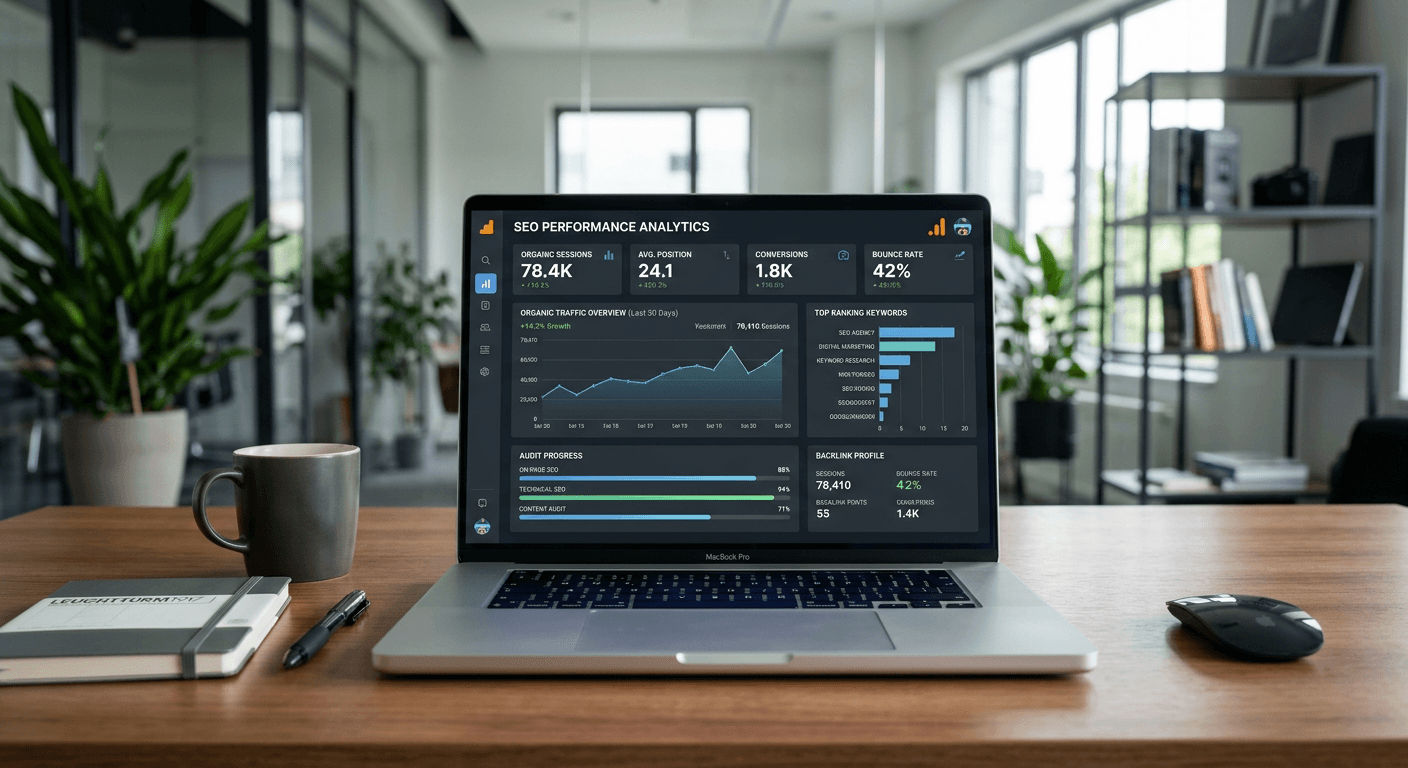
Selecting the right seo checker is a foundational step for any digital strategy in 2026, as search engine algorithms continue to prioritise user experience, page speed, and technical health. Navigating the competitive landscape requires precision tools that provide actionable data rather than vanity metrics. Whether you are managing a small business blog or a complex enterprise e-commerce platform, identifying underlying technical issues is the first step towards sustained organic growth; you can start by requesting a professional free site audit https://rapidwombat.com/audit to benchmark your current status.
Quick Summary {#quick-summary}
An SEO checker is a diagnostic software solution that crawls websites to identify technical errors, content gaps, and ranking opportunities. These tools provide essential insights into site health, backlink profiles, and keyword performance.
- Identifies critical technical errors like broken links and crawl blocks.
- Provides competitive intelligence and keyword gap analysis.
- Offers actionable recommendations to improve organic search visibility.
- Monitors core web vitals and mobile-friendliness.
Table of Contents {#table-of-contents}
- Comparison Table
- Comprehensive All-in-One SEO Platforms
- Lightweight Technical SEO Audit Tools
- Performance and Speed Focused Analyzers
- Buying Guide / How to Choose
- FAQ
- Recommended Reads
Comparison Table {#comparison-table}
| Tool Category | Key Feature | Pros | Cons | Audience |
|---|---|---|---|---|
| All-in-One Suites | Global Keyword Tracking | Deep analytical data | High monthly cost | Marketing Agencies |
| Technical Crawlers | Site Structure Mapping | Unparalleled technical depth | High learning curve | SEO Specialists |
| Speed Analyzers | Core Web Vitals Focus | Essential for UX metrics | Lacks keyword data | Web Developers |
| Entry-Level Free Tools | Basic Health Checks | Accessible and intuitive | Limited reporting depth | Beginners/Small Biz |

Comprehensive All-in-One SEO Platforms {#comprehensive-all-in-one-seo-platforms}
All-in-one suites represent the gold standard for full-funnel optimisation. These platforms integrate backlink analysis, keyword tracking, and on-page recommendations into a single interface. They are designed for professionals who need to see the intersection between technical health and content performance. By providing a holistic view of the domain, these tools allow marketers to correlate a technical fix with a subsequent rise in search rankings.
Choosing a comprehensive platform often involves a higher subscription fee, but the return on investment is found in the time saved on data aggregation. These platforms typically offer advanced reporting features, allowing agencies to automate client updates. For those interested in improving their foundational infrastructure before committing to a paid suite, conducting a free site audit https://rapidwombat.com/audit provides the necessary baseline data to justify the investment.
Pros and Cons of All-in-One Suites
- Pros: Access to massive proprietary databases, integrated workflow management, and sophisticated competitor analysis modules.
- Cons: Can be overwhelming for beginners and often requires a steep monthly financial commitment.
Lightweight Technical SEO Audit Tools {#lightweight-technical-seo-audit-tools}
Technical crawlers focus exclusively on the 'under the hood' aspects of a website. Unlike general suites, these tools prioritise the discovery of crawl errors, redirect chains, and XML sitemap issues. They are the preferred choice for developers and technical specialists who need to ensure that search engine bots can index content without friction. By simulating how a Google bot traverses a site, these tools reveal hidden bottlenecks that affect crawl budget.
Using a dedicated technical crawler is often the most effective way to identify critical site errors that are not immediately visible in content-focused dashboards. You might find that your site is inadvertently blocking search engines or suffering from excessive redirect loops. If you encounter significant technical debt, consider checking our privacy and compliance policies before integrating external tools into your production environment.
Pros and Cons of Technical Crawlers
- Pros: Exceptional at uncovering deep technical site issues; highly customisable crawling parameters.
- Cons: Often lacks the keyword-centric data found in more marketing-heavy platforms.
Performance and Speed Focused Analyzers {#performance-and-speed-focused-analyzers}
Performance-focused tools are essential in an era where page speed is a confirmed ranking factor. These analyzers focus on Core Web Vitals, image compression, and server response times. They provide granular recommendations on how to optimise code and assets to meet the strict standards required for top-tier search visibility. In many cases, these tools offer a free seo checker interface that simplifies complex performance data into easy-to-understand grades.
By running regular performance checks, site owners can ensure that their user experience remains fluid across different network conditions. This is particularly important for mobile users who may rely on cellular data. When you manage your technical stack, remember to read our terms of service to ensure your optimisation practices remain aligned with industry standard compliance guidelines.
Pros and Cons of Speed Analyzers
- Pros: Direct impact on user retention and bounce rates; actionable code-level advice.
- Cons: Does not provide insight into off-page signals like domain authority or backlink quality.
Buying Guide / How to Choose {#buying-guide-how-to-choose}
Selecting the best seo checker for your specific situation requires an honest assessment of your current technical capability and business goals. If you are a small business owner, a simple, user-friendly tool might be sufficient to monitor basic health. However, if you are managing a large-scale enterprise site, you will need a robust seo optimizer capable of handling thousands of pages and providing complex reporting features.
Key criteria to consider include crawl capacity, reporting frequency, and the specific depth of technical diagnostics offered. Always check if the tool integrates with existing webmaster consoles, as this provides a richer source of truth regarding how your site appears in organic search results. Finally, ensure the tool provides clear, actionable steps rather than just flagging problems; an effective tool should suggest exactly how to fix the identified issues.
FAQ {#faq}
- What is the most effective way to use an seo checker? The most effective approach is to run regular, scheduled audits to track changes in your site health over time, rather than relying on one-off reports.
- Can a free seo checker provide enough data for a professional site? Free tools are excellent for basic health checks, but professional sites typically require the advanced historical data and keyword tracking provided by paid enterprise platforms.
- How often should I perform an SEO audit? Ideally, you should perform a comprehensive technical audit monthly and conduct performance speed tests weekly to stay ahead of algorithm shifts.
- Do all SEO analyzers use the same ranking data? No, most tools use their own proprietary crawlers and data aggregators, which is why you may see slight variations in metrics across different platforms.