The Ultimate On Page SEO Checklist for 2026
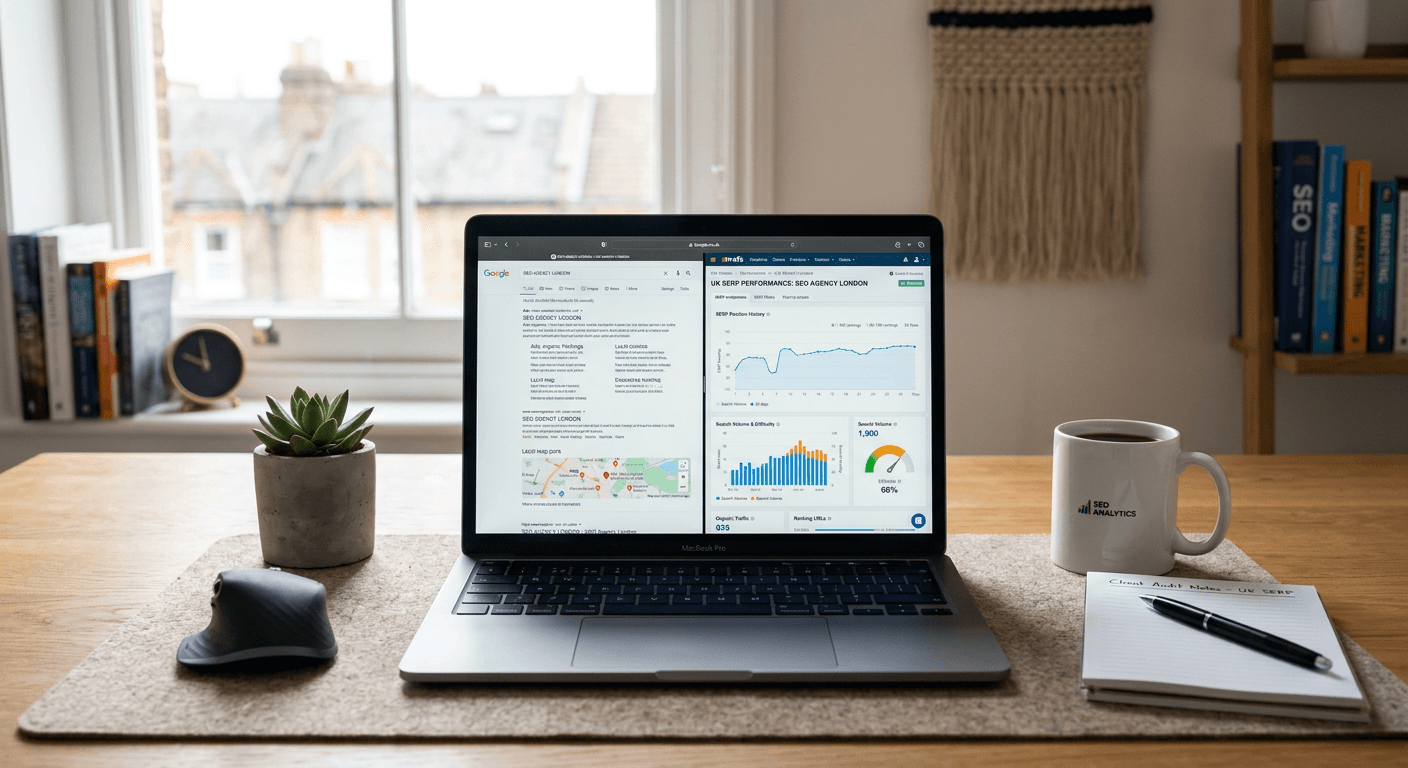
Mastering search engine performance requires a rigorous approach to your website's internal structure and content delivery. For British SMEs and growing startups, achieving high UK search visibility relies heavily on how effectively search engines can crawl, index, and interpret the semantic relevance of your pages. By following a structured approach to technical and content-based improvements, you can significantly enhance your organic traffic potential.

Quick Summary {#quick-summary}
On-page SEO is the practice of optimising individual web pages to rank higher in search results by refining HTML source code and content relevance. It ensures that search engines and users can easily understand the intent and value of your pages.
- Align content with user search intent.
- Optimise metadata for click-through rates.
- Structure headings to improve readability and topical authority.
- Ensure technical elements facilitate efficient crawling.
- Regularly conduct an on page seo audit to identify performance gaps.
Table of Contents {#table-of-contents}
- Quick Summary
- Optimising Meta Data and Titles
- Structuring Content with SEO Headings
- Implementing Core On-Page SEO Factors
- Common Pitfalls and Troubleshooting
- FAQ
- Recommended Reads
Optimising Meta Data and Titles {#optimising-meta-data-and-titles}
Your title tag remains the most critical indicator of page relevance for search algorithms. To hit the optimal seo title length, aim for between 50 and 60 characters. This ensures the title appears in full within search engine results pages (SERPs), preventing truncation that can negatively impact your click-through rate. Place your primary keyword as close to the beginning of the title as possible to signal relevance immediately.
Meta descriptions, while not a direct ranking signal, act as your advertisement in the SERPs. A well-crafted description between 140 and 155 characters should include a clear call-to-action and reflect the user's search intent. By integrating these on-page seo techniques effectively, you can influence the decision-making process of your potential site visitors before they even arrive on your domain.
Structuring Content with SEO Headings {#structuring-content-with-seo-headings}
Using seo headings correctly is essential for both accessibility and search engine interpretation. Your H1 tag must be unique to the page and should clearly state the core topic. From there, you should use H2 and H3 subheadings to break up large blocks of text, creating a logical hierarchy that allows search bots to parse your content's structure efficiently.
When writing headings, consider their role as the primary navigational aids for the reader. Incorporate related entities and LSI keywords naturally into these subheadings to build topical authority. Avoid the temptation to keyword-stuff headings, as search engines now prioritise natural language processing and semantic relevance over simple keyword repetition. Each subheading should function as a standalone point that contributes to the broader objective of the article.
Implementing Core On-Page SEO Factors {#implementing-core-on-page-seo-factors}
Successful on-page seo optimization hinges on several foundational elements that go beyond text. Start by auditing your internal linking structure. Linking to related, high-performing pages helps pass 'link equity' and assists search crawlers in discovering your deeper site content. Ensure your anchor text is descriptive and relevant to the linked page's content, rather than using generic phrases like "click here".
Image optimisation is another critical factor. Always compress your assets to maintain fast page load speeds, and use descriptive file names alongside accurate ALT text. This not only aids accessibility for visually impaired users but also provides search engines with more context regarding the visual media on your site. Consistently tracking these metrics through a regular on page seo checklist is the best way to ensure your site remains competitive.
Pro Tip: Focus on search intent. Before writing, search for your target term on Google UK and analyse the top three results. If they are listicles, provide a better, more comprehensive list. If they are service pages, ensure your page answers the specific commercial queries identified.
Common Pitfalls and Troubleshooting {#common-pitfalls-and-troubleshooting}
One common error is neglecting mobile-first indexing. In 2026, if your mobile experience is subpar, your search visibility will suffer regardless of your desktop performance. Check your site’s responsiveness across various screen sizes to ensure that mobile users do not encounter layout shifts or slow-loading scripts.
Another frequent pitfall is duplicate content. When multiple pages cover nearly identical topics, they end up competing against each other for the same search queries, effectively diluting your authority. Use canonical tags to signal to search engines which version of the content is the primary source of truth. If you identify structural issues, a comprehensive site audit is a mandatory starting point to rectify these underlying problems.
FAQ {#faq}
-
How often should I perform an on-page SEO audit? You should conduct a full on-page SEO audit every quarter or after any significant structural changes to your website.
-
Does SEO title length really impact rankings? While length is not a direct ranking factor, it impacts click-through rates. Properly sized titles ensure your brand's message is fully visible in search results.
-
Why are H2 and H3 headings important for SEO? Headings provide a clear content hierarchy, helping search engines understand the structure and topical depth of your page.
-
Can keyword stuffing help my ranking? No. Modern search algorithms penalise keyword stuffing, prioritising natural, high-quality content that satisfies user intent.