8 Effective Strategies for Mastering SEO Competitor Analysis in 2026
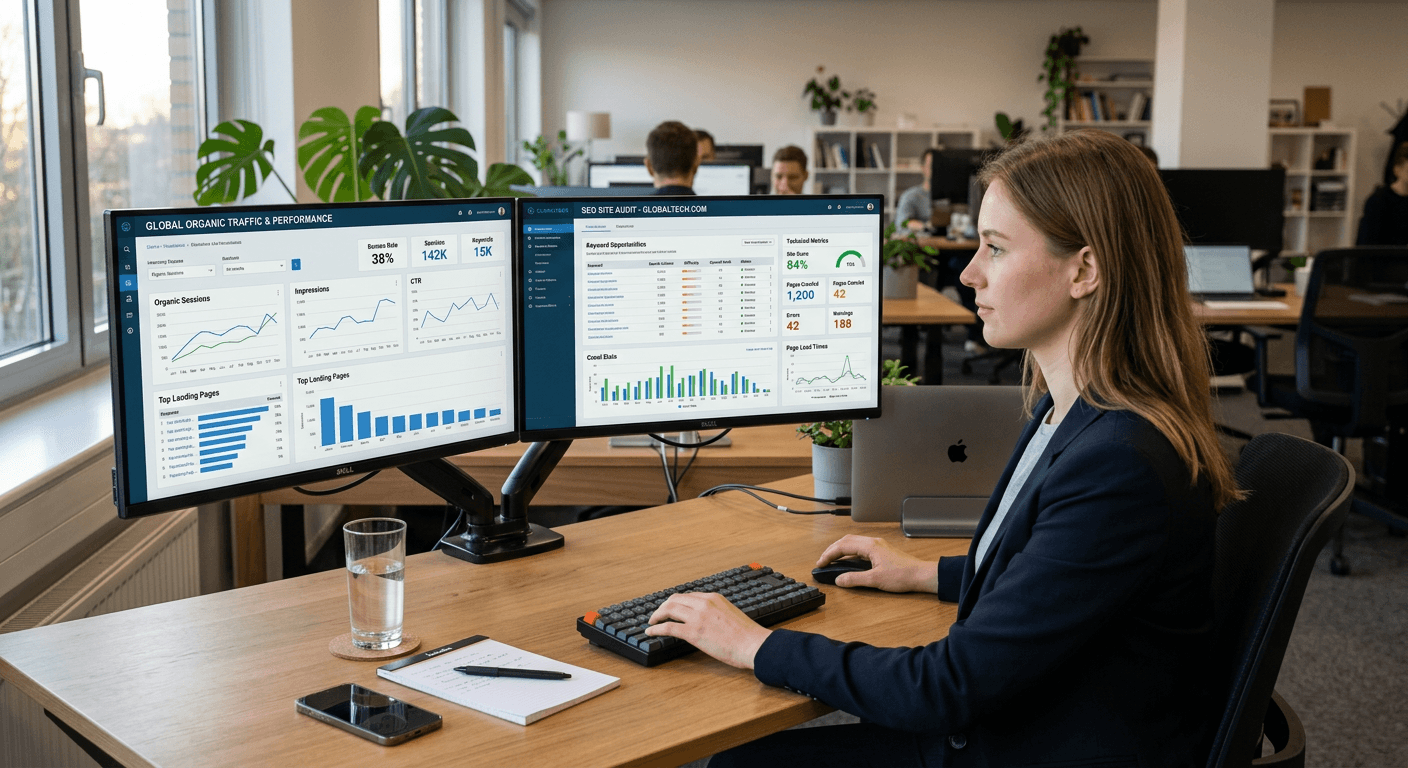
Conducting an effective seo competitor analysis is the cornerstone of any sustainable growth strategy for British SMEs and digital marketing teams. By systematically evaluating the digital footprint of industry rivals, businesses can identify content gaps, technical vulnerabilities, and untapped keyword opportunities that directly influence search engine visibility. Rather than guessing which tactics might drive traffic, a data-driven approach allows for precise resource allocation in a competitive UK landscape.

Quick Summary
SEO competitor analysis is the practice of evaluating the search strategies of market rivals to identify opportunities for outranking them. It involves assessing backlink profiles, keyword rankings, and technical performance to refine one's own digital strategy.
- Identify content gaps and intent mismatches.
- Audit competitor backlink sources for link-building targets.
- Monitor technical performance and page experience metrics.
- Leverage https://rapidwombat.uk.com/audit to gain immediate insights into your current site posture.
Table of Contents
- 1. Identifying Direct Search Rivals
- 2. Keyword Gap Analysis
- 3. Backlink Profile Evaluation
- 4. Content Depth and Intent Review
- 5. Technical Performance Benchmarking
- 6. SERP Feature Mapping
- 7. Brand Mentions and Authority Tracking
- 8. Ongoing Competitive Intelligence Cycles
- FAQ
- Recommended Reads
1. Identifying Direct Search Rivals
Overview: The first step is to distinguish between your offline business competitors and your digital search rivals. Often, the companies dominating the first page for your target keywords are not the ones you compete with on price or service offerings. Using an seo competitor analysis framework helps you filter out noise and focus on domains that share your specific traffic demographic.
Why It Matters / Real-World Impact: By mapping your actual competition, you avoid wasting resources trying to outrank irrelevant high-authority domains. Focusing on direct competitors ensures that the data you collect is actionable, allowing you to replicate their successes while avoiding their specific strategic pitfalls within the UK market.
2. Keyword Gap Analysis
Overview: A keyword gap analysis involves identifying terms that your competitors rank for but you do not. Professional seo tools competitor analysis suites provide intersectional data that highlight missing topics. This allows you to construct a content roadmap designed to capture traffic from terms you have previously overlooked.
Why It Matters / Real-World Impact: Capturing these 'low-hanging fruit' keywords is one of the fastest ways to increase organic traffic. When you identify a topic that a competitor has covered effectively but you have neglected, creating a superior, more comprehensive guide allows you to cannibalise their search presence.
3. Backlink Profile Evaluation
Overview: Backlinks remain a critical ranking factor. By using a robust competitor analysis seo tool, you can inspect the referral domains linking to your rivals. This provides insight into their digital PR strategy, identifying the types of publications, trade journals, or local news outlets that find their content worth citing.
Why It Matters / Real-World Impact: Understanding the quality and quantity of a competitor's links helps set realistic expectations for your own outreach campaigns. It identifies the 'link neighborhood' they reside in, which can reveal opportunities for your own brand to appear in the same authoritative spaces.
4. Content Depth and Intent Review
Overview: Modern search algorithms prioritise content that satisfies user intent. When reviewing competitors, examine the structure, reading level, and multimedia usage of their top-performing pages. This is where you determine whether the search result is meant to be an informational guide, a product catalogue, or a commercial landing page.
Why It Matters / Real-World Impact: If a competitor is ranking with a listicle but your page is a long-form essay, you are likely failing to meet user expectations. Aligning your content format with the top results - while adding unique value or local UK context - is essential to winning the click.
5. Technical Performance Benchmarking
Overview: You can check seo competition by comparing technical metrics such as Core Web Vitals, site speed, and mobile responsiveness. A technically superior site often ranks higher even with slightly less content depth. You should use performance monitoring tools to audit competitor load times and infrastructure reliability.
Why It Matters / Real-World Impact: If your competitors provide a seamless mobile experience while your site suffers from high latency, you will inevitably lose market share. Ensuring your site meets or exceeds these baseline technical standards is a prerequisite for competing in today's search results.
6. SERP Feature Mapping
Overview: Search results are no longer just blue links. They now feature knowledge panels, FAQ blocks, and featured snippets. Using seo competitive intelligence platforms, you can see which competitors are winning these 'Position Zero' spots and how they structure their data to do so.
Why It Matters / Real-World Impact: Winning a featured snippet can significantly increase click-through rates. By observing how competitors use structured data and concise headers, you can optimise your own content to be more easily parsed by search engine crawlers for these prime positions.
7. Brand Mentions and Authority Tracking
Overview: Authority is not only built through links but through unlinked brand mentions. Tracking how often and in what context your competitors are mentioned in the press or on social platforms gives you a holistic view of their brand strength.
Why It Matters / Real-World Impact: A strong brand authority acts as a buffer against algorithm updates. If you see that your competitors are building authority through consistent participation in industry events or local news, it serves as a signal that your own brand intelligence monitoring strategy needs to expand beyond technical SEO.
8. Ongoing Competitive Intelligence Cycles
Overview: Competitive analysis is not a one-off task. Using seo tools comparison charts, choose a platform that allows for automated daily or weekly tracking. Markets shift, and competitors will inevitably adjust their tactics in response to your gains.
Why It Matters / Real-World Impact: Consistent monitoring ensures you are never caught off guard by a competitor's sudden push for your keywords. It transforms SEO from a reactive troubleshooting exercise into a proactive engine for business growth.
FAQ
- What is the most important metric when comparing competitors? While rankings are visible, traffic potential and domain authority are generally the most critical indicators of long-term success.
- How often should I conduct an analysis? Monthly reviews are standard for most SMEs, though daily tracking is recommended for highly competitive industries or sectors undergoing rapid change.
- Can I use free tools for this? Yes, many professional tools offer limited free versions or audits, such as https://rapidwombat.uk.com/audit, which provide a foundation for your initial analysis.
- Does social media affect search rankings? While social signals are not a direct ranking factor, they drive the traffic and brand awareness that often lead to the high-quality backlinks that do affect rankings.